
The Hidden Cost of Choosing Generic Window Treatments in Northern Virginia
Northern Virginia homeowners investing in Craftsman-style homes or transitional contemporary builds often make the same costly mistake: selecting mass-produced synthetic blinds that clash with their home’s natural material design elements. When your Falls Church bungalow features handcrafted woodwork and organic textures, plastic blinds create visual dissonance that diminishes your entire interior. Woven wood shades in Northern Virginia solve this problem by harmonizing with natural wood trim, stone accents, and artisan finishes that define the region’s most coveted architectural styles.
Made in the Shade Northern Virginia specializes in bringing this organic elegance to homes throughout the region. Our woven wood shade collection features bamboo, reeds, grasses, and natural fibers that complement rather than compete with your home’s character. During dry winter months when Dominion Energy heating systems deplete indoor humidity, these natural fiber window treatments help maintain a balanced interior atmosphere by neither trapping excessive moisture nor contributing to the parched air that synthetic materials can exacerbate.
Overlooking How Dry Northern Virginia Winters Affect Your Window Treatments
Many Arlington and Fairfax homeowners underestimate how dramatically the region’s seasonal shifts impact window coverings. When your HVAC system runs continuously from November through March, indoor humidity can plummet below comfortable levels. Synthetic materials respond to these conditions by becoming brittle, developing static charges that attract dust, or warping at their mounting points.
Natural fiber window treatments behave differently. Woven wood shades contain organic materials that have evolved to respond to humidity fluctuations without structural compromise. Bamboo and reed fibers expand and contract subtly with changing moisture levels, maintaining their integrity across seasons. This responsiveness makes them particularly well-suited to Northern Virginia’s continental climate, where summer humidity gives way to winter dryness within weeks.
Why Material Quality Matters More Than Price Per Square Foot
The initial savings on budget-tier window coverings evaporate when you factor in replacement costs. A quality woven wood shade from a manufacturer-backed collection carries warranties and construction standards that protect your investment. When you shop at Mosaic District boutiques or browse Fairfax Corner showrooms, you notice immediately that design-forward retailers stock natural materials precisely because their clientele demands longevity alongside beauty.
- Bamboo shades NoVA homeowners choose resist warping better than PVC alternatives
- Natural grass weaves maintain color without the fading common in dyed synthetics
- Reed and jute fibers age gracefully, developing character rather than deterioration
- Organic window coverings Northern Virginia designers specify complement wood flooring and trim
Assuming All Woven Wood Products Offer Equal Light Control
Not all natural fiber shades provide the same degree of privacy or light filtration. This distinction matters tremendously in Northern Virginia, where your Falls Church living room might face a busy street while your Arlington bedroom overlooks a private garden. Assuming one style fits all rooms leads to disappointment and additional expense.
Woven wood shades range from loosely woven grasses that filter light beautifully while preserving views to tightly constructed bamboo panels that provide substantial privacy. Some collections incorporate privacy liners or blackout backing that transform a decorative shade into a fully functional window covering.
Matching Weave Density to Your Room’s Purpose
Your professional design consultation should address exactly how each room functions. A Fairfax home office where you take video calls requires different light control than a sunroom where filtered natural light creates ambiance. The table below illustrates common applications:
| Room Type | Recommended Weave | Privacy Level |
|---|---|---|
| Living rooms and great rooms | Medium-density bamboo or reed | Moderate daytime privacy |
| Bedrooms | Tight weave with optional liner | High privacy, light blocking |
| Kitchens and bathrooms | Moisture-resistant grass weaves | Variable based on window placement |
| Home offices | Adjustable light-filtering options | Glare reduction priority |
| Sunrooms and three-season rooms | Open weaves for view preservation | Lower priority, maximum light |
Skipping Professional Measurement for Complex Window Configurations
Northern Virginia’s architectural diversity includes everything from 1920s Arlington bungalows with quirky window placements to Fairfax new construction with floor-to-ceiling glass walls. Attempting to measure these windows yourself introduces errors that become costly when custom natural fiber shades arrive and fail to fit properly.
Professional measurement accounts for variables homeowners overlook: window frame depth that affects mounting options, wall texture around openings, clearance for door swings or furniture, and the slight variations from true level that exist in virtually every home. A fraction-of-an-inch error across a wide window creates visible gaps or binding that compromises both function and appearance.
The Craftsman Home Challenge
Craftsman-style architecture features window groupings, transoms, and built-in cabinetry that complicate standard window covering installation. These homes demand window treatments sized and mounted with precision that respects the home’s original craftsmanship. Your woven wood shades should appear as intentional as the home’s original woodwork, not as afterthoughts that clash with period details.
When natural materials meet skilled installation, window treatments become architectural elements rather than functional accessories. The goal is integration so seamless that guests notice your beautiful windows without ever consciously registering the shades as separate from the home itself.
The Right Approach to Selecting Organic Window Coverings
Understanding what to avoid sets the foundation. Now consider the affirmative steps that ensure your woven wood shades deliver lasting satisfaction. The biophilic design movement driving demand for natural materials in Northern Virginia interiors responds to genuine human needs: connection to nature, tactile warmth, and visual complexity that synthetic products cannot replicate.
Starting with In-Home Fabric Samples
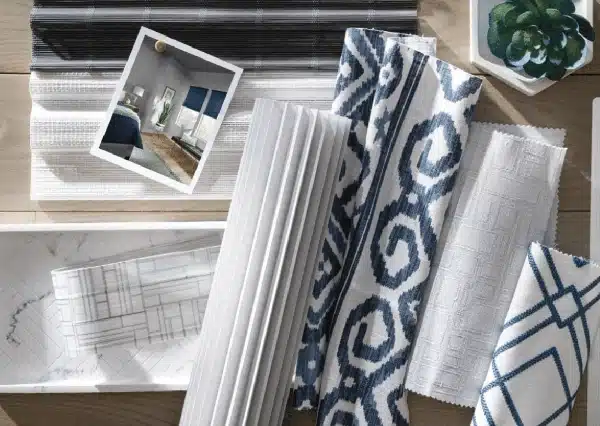
Colors and textures that appear one way under showroom lighting transform under the specific conditions in your home. The northern exposure in your Arlington living room produces different light than the southern-facing windows in your Fairfax primary bedroom. Viewing fabric samples in your actual spaces reveals how weave patterns interact with your existing furnishings, flooring, and paint colors.
Made in the Shade Northern Virginia brings the showroom to you. Our complimentary design consultations include fabric samples you can hold against your walls, examine beside your furniture, and evaluate at different times of day. This approach eliminates guesswork and ensures your satisfaction before any order is placed.
Coordinating with Your Home’s Existing Natural Elements
The best woven wood shade selections respond to materials already present in your space. Consider these coordination principles:
- Match undertones rather than exact colors: golden bamboo with honey oak floors, cool-toned reeds with gray-washed wood finishes
- Vary texture scale: tight weaves in rooms with heavily textured stone, looser weaves where smooth surfaces dominate
- Respect period authenticity: traditional grass weaves for historic homes, contemporary bamboo panels for transitional builds
- Balance visual weight: lighter weaves for smaller windows, substantial materials for large glass expanses
Your Northern Virginia Design Consultation Experience
Working with Made in the Shade Northern Virginia means accessing expertise developed specifically for this region’s homes and climate. We understand how Dominion Energy winter heating affects interior conditions, which weave patterns suit Falls Church architectural character, and what installation considerations apply to Arlington and Fairfax construction styles.
Our professional team handles measurement with precision, presents options matched to your functional requirements and aesthetic preferences, and manages installation with the care your home deserves. Manufacturer-backed warranties protect your investment, and our commitment to your satisfaction extends well beyond the installation date.
Experience our woven wood shade collection in your home. Call (703) 330-6487 to schedule your complimentary design consultation with fabric samples today. Whether you are updating a single room or coordinating window treatments throughout your Northern Virginia home, we bring the expertise and selection your project deserves.
Frequently Asked Questions
How do woven wood shades perform during Northern Virginia’s humid summers compared to dry winters?
Natural fiber materials adapt to seasonal humidity changes better than rigid synthetic alternatives. During humid summer months, the organic fibers absorb slight moisture without warping, while winter dryness does not cause the brittleness or cracking common in plastic materials. This natural responsiveness makes woven wood shades particularly well-suited to the region’s continental climate with its dramatic seasonal transitions.
Can woven wood shades provide adequate privacy for street-facing windows in Arlington or Falls Church?
Privacy levels vary significantly based on weave density and optional backing materials. Loosely woven grass shades filter light beautifully but offer limited privacy after dark. Tightly woven bamboo panels or shades with integrated privacy liners deliver substantial coverage suitable for bedrooms and bathrooms. During your design consultation, discuss each room’s specific privacy requirements so your selections address real-world needs.
What maintenance do natural fiber window treatments require in Northern Virginia homes?
Routine care involves gentle dusting with a soft brush attachment or feather duster every few weeks. For deeper cleaning, most woven wood shades respond well to light vacuuming on low suction. Avoid moisture-heavy cleaning methods that can warp natural fibers. The organic materials age gracefully with minimal intervention, developing subtle character over years of use.
Are bamboo shades appropriate for moisture-prone spaces like bathrooms and kitchens?
Certain woven wood collections feature moisture-resistant treatments specifically engineered for high-humidity environments. These options work well in bathrooms and kitchens where steam and cooking moisture are present. Standard untreated natural fibers perform better in drier spaces. Your design consultant can identify which materials suit each room’s conditions throughout your Northern Virginia home.